
How to Become a Better Roofer
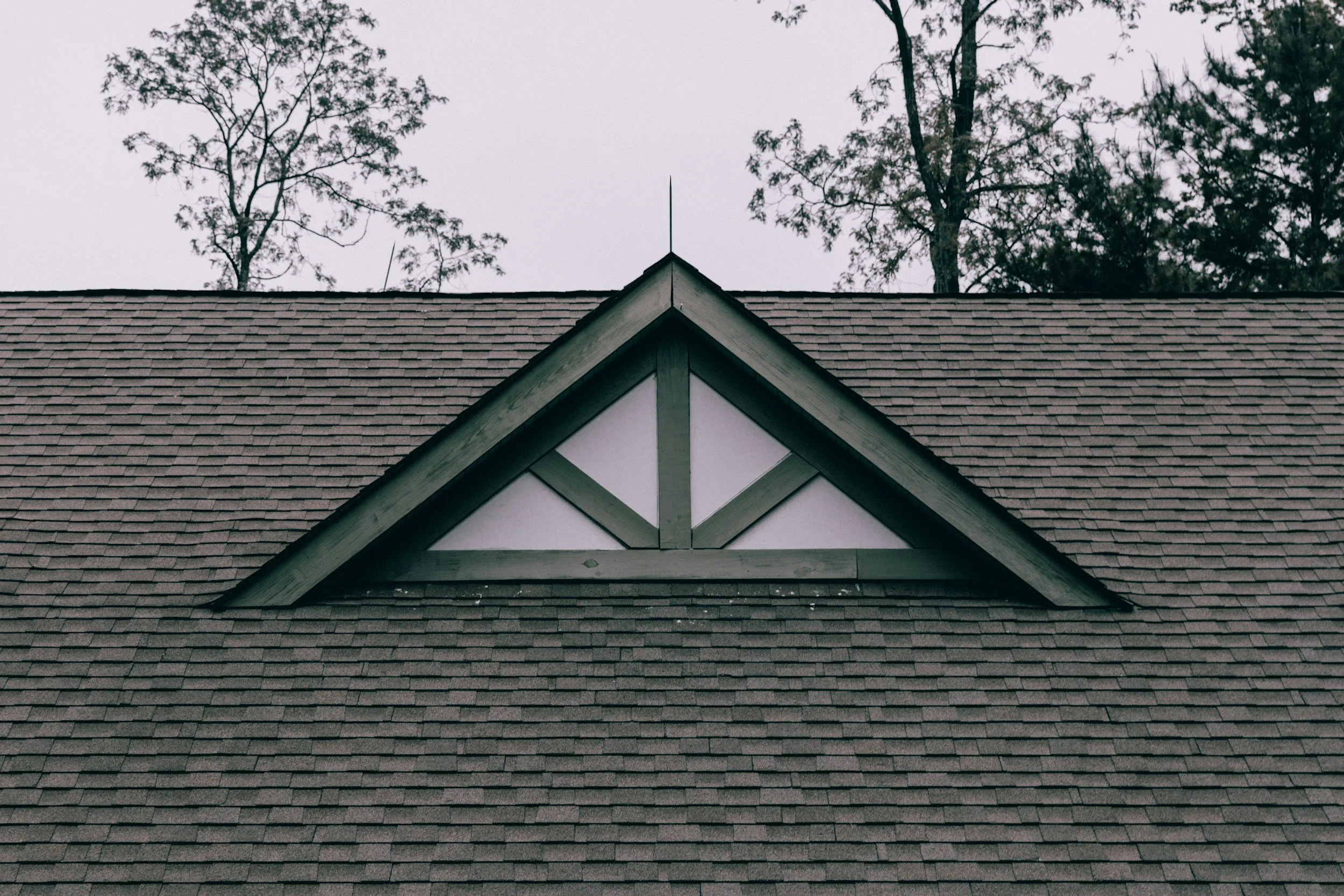
A good roofer installs shingles.
A better roofer understands water, ventilation, structure, safety, and the small details that keep a roof performing for years.
Roofing has very little room for careless work. A missed flashing detail, poor nail placement, bad ventilation setup, or weak repair can turn into leaks, damage, and expensive callbacks.
If you want to become a better roofer, focus on the parts of the job that protect the home long after the crew leaves.
Learn How Water Actually Moves
Roofing is really about controlling water.
That means understanding how water travels across:
valleys
flashing
vents
chimneys
skylights
roof edges
gutters
low-slope sections
siding transitions
Better roofers can look at a roof and understand where water wants to go and where it may create problems.
A lot of roof failures come from bad water management, not just bad shingles.
Get Better at Inspections
Strong roofing work starts with a strong inspection.
Do not only look at the obvious damage.
Look for:
missing shingles
lifted shingles
nail pops
damaged flashing
soft decking
poor ventilation
signs of past leaks
gutter issues
attic moisture
bad previous repairs
storm damage patterns
The better your inspection, the better your recommendation.
Homeowners trust roofers who can explain what they see clearly.
Take Flashing Seriously
Flashing is one of the most important parts of roofing.
Many leaks happen because flashing was skipped, reused poorly, installed incorrectly, or sealed with short-term fixes.
Pay close attention to:
step flashing
chimney flashing
wall flashing
vent flashing
skylight flashing
drip edge
valleys
Caulk alone should not be the main plan for keeping water out.
Better roofers build details that last.
Understand Ventilation
A roof system needs airflow.
Poor ventilation can create heat buildup, moisture problems, ice dams in colder climates, and shortened shingle life.
A better roofer understands:
intake ventilation
exhaust ventilation
ridge vents
soffit vents
attic airflow
signs of trapped moisture
how ventilation affects roof performance
Ventilation should be part of the roof conversation, especially on replacements.
Improve Nail Placement and Installation Discipline
Small installation mistakes matter.
Roofers should be disciplined about:
nail placement
nail depth
shingle alignment
underlayment overlap
starter strip
drip edge placement
valley installation
manufacturer instructions
A fast crew still needs consistency.
Speed without discipline creates leaks and warranty problems.
Build Safer Work Habits
Roofing is dangerous.
Better roofers take safety seriously every day.
That includes:
fall protection
ladder setup
harness use when required
clean jobsite movement
weather awareness
safe material staging
clear crew communication
A strong roofing business protects workers as seriously as it protects the customer’s home.
Document the Job
Photos are especially important in roofing.
Take photos of:
damage before work
decking condition
flashing
underlayment
hidden issues
completed work
cleanup
problem areas discussed with the homeowner
Photos protect your business and help customers understand what they paid for.
Final Thoughts
To become a better roofer, think beyond the visible surface.
Study water movement.
Inspect carefully.
Install flashing properly.
Understand ventilation.
Follow safety standards.
Document the work.
A roof protects everything underneath it.
The best roofers treat that responsibility with the seriousness it deserves.
