
How to Become a Better Remodeler
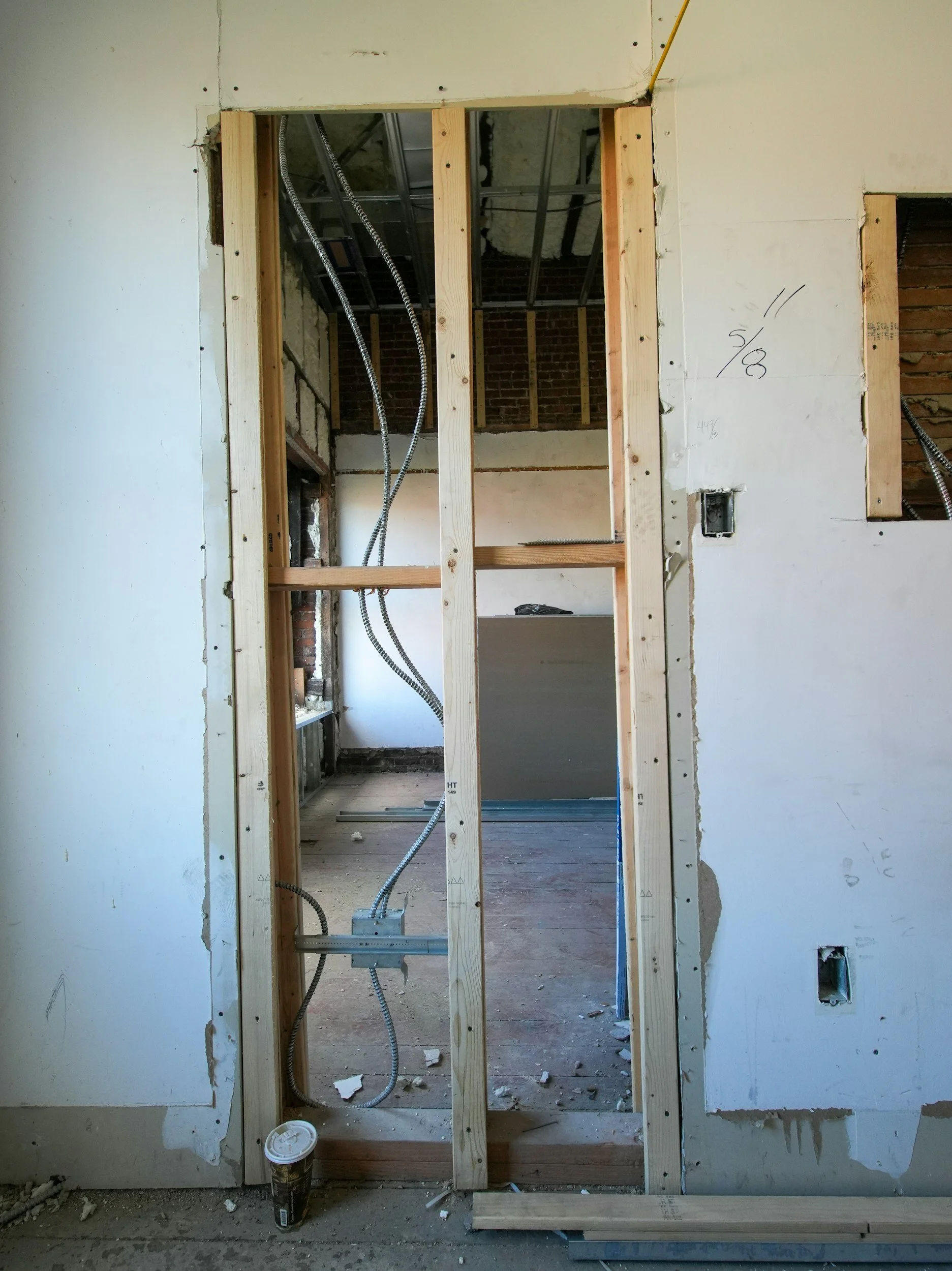
Remodeling is one of the hardest parts of construction because almost every job has moving pieces.
There are homeowners, existing conditions, materials, schedules, change requests, trades, budgets, and finish expectations.
A strong remodeler needs more than trade skill.
You need judgment, communication, planning, and the ability to keep a project moving when surprises show up.
If you want to become a better remodeler, focus on the skills that reduce chaos and make the finished project feel intentional.
Get Better at Scope Before the Job Starts
A remodel can go wrong quickly when the scope is vague.
Before pricing or starting, get clear on:
what rooms or areas are included
what is being removed
what is being replaced
what stays in place
who provides materials
whether layout is changing
what finish level the homeowner expects
what is excluded
A vague remodel estimate creates confusion later.
Better remodelers make sure the customer understands the project before work begins.
Learn to Sequence Work Properly
Good remodeling depends on doing work in the right order.
A remodeler should understand how to sequence:
demo
framing
rough electrical
rough plumbing
HVAC changes
insulation
drywall
tile
flooring
cabinets
trim
paint
punch list
Bad sequencing creates delays, rework, and frustration.
A better remodeler thinks several steps ahead.
Improve Communication With Homeowners
Homeowners often feel stress during remodels because their home is disrupted.
Better remodelers reduce that stress with clear communication.
Tell the homeowner:
what happens this week
who will be on site
what decisions they need to make
when dust, noise, or access issues may happen
when the schedule changes
why a delay happened
what the next step is
Silence makes homeowners nervous.
Clear updates build trust.
Get Stronger With Change Orders
Change orders are common in remodeling.
The problem comes when they are handled casually.
If the homeowner changes a fixture, adds work, upgrades materials, or hidden damage appears, document:
what changed
added cost
schedule impact
approval before work continues
A better remodeler protects the relationship by making changes clear before they become arguments.
Study Finish Details
Finish quality is where homeowners often judge the whole project.
Pay attention to:
trim joints
caulk lines
paint finish
tile layout
grout lines
cabinet alignment
hardware placement
flooring transitions
drywall texture
outlet and fixture alignment
The final 10 percent can shape how the homeowner feels about the entire job.
Build Better Trade Coordination
Remodeling often involves multiple trades.
A remodeler needs to coordinate people well.
That means:
trades know when to show up
each trade understands the scope
rough-ins are ready before finishes
materials are available
questions are answered quickly
one trade does not block the next
Good coordination makes the project feel smoother for everyone.
Final Thoughts
To become a better remodeler, improve the parts of the job that hold everything together.
Scope clearly.
Sequence carefully.
Communicate often.
Document changes.
Respect finish details.
Coordinate trades well.
A strong remodel is built through dozens of good decisions, not one big moment.
That is what separates average remodeling from work customers remember for the right reasons.
