
How to Become a Better Flooring Contractor
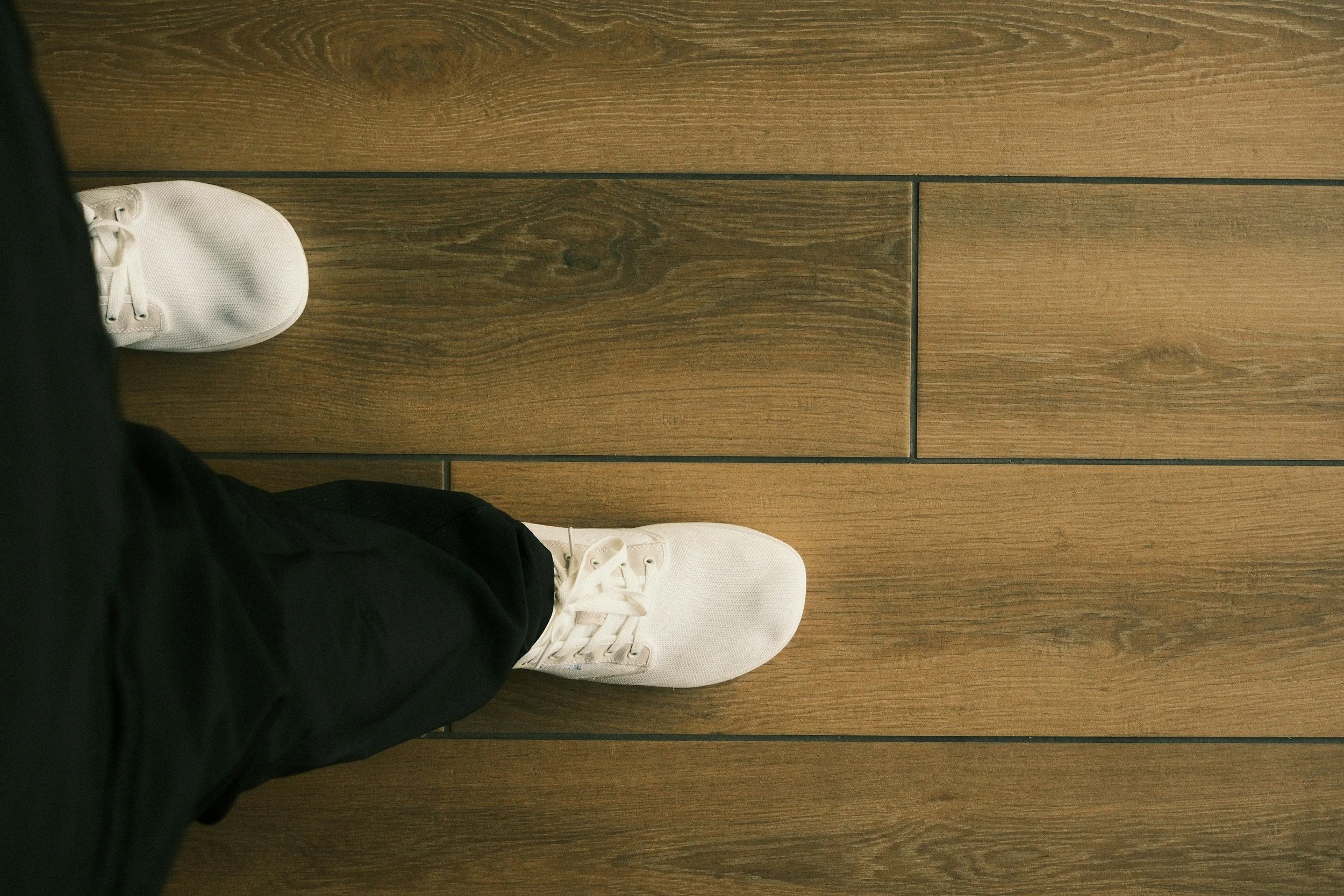
Flooring is one of those trades where small mistakes become very visible.
A bad cut, uneven transition, loose plank, hollow tile, squeaky board, or poor layout can bother a homeowner every time they walk through the room.
Great flooring work starts with patience, planning, and respect for what is underneath the finished surface.
If you want to become a better flooring contractor, focus on the details that make the floor last and look right.
Master Subfloor Prep
The finished floor depends on the surface below it.
A lot of flooring problems come from ignoring subfloor issues.
Before installation, check for:
uneven areas
soft spots
moisture
squeaks
loose panels
cracks
old adhesive
debris
poor transitions between rooms
A floor can only perform as well as the surface it sits on.
Better flooring contractors explain prep clearly to homeowners because it often affects cost and timeline.
Learn Moisture Testing
Moisture can ruin a flooring job.
This matters for hardwood, engineered wood, laminate, LVP, tile, and many other materials.
Better installers understand when to test:
concrete slabs
basements
bathrooms
kitchens
older homes
recently cleaned or flooded areas
new construction
You should also know what moisture levels are acceptable for the product being installed.
A few minutes of testing can prevent a very expensive failure later.
Get Better at Layout
Layout separates average flooring work from professional work.
Before installing, think through:
where the first row starts
how the final row will look
how flooring flows between rooms
how cuts land at doorways
how patterns line up
where seams or joints will be most visible
how transitions will look
Poor layout can make even good materials look cheap.
Take the time to plan before committing.
Understand Different Flooring Products
Each flooring type has its own rules.
LVP, laminate, hardwood, engineered wood, carpet, and tile all require different tools, prep, installation methods, and expectations.
A better flooring contractor knows:
expansion requirements
underlayment rules
acclimation needs
adhesive requirements
grout spacing
transition options
manufacturer instructions
Do not install every product the same way.
Take Transitions Seriously
Transitions are small details that homeowners notice quickly.
Bad transitions create trip hazards, ugly finish lines, and callbacks.
Pay attention to:
height differences
doorways
stairs
room changes
tile-to-LVP transitions
carpet-to-hard-surface transitions
finished edges near exterior doors
A clean transition makes the job feel complete.
Improve Your Cutting and Finish Work
Flooring jobs often get judged by the edges.
Clean work around door jambs, corners, vents, stairs, cabinets, and trim matters.
To improve, practice:
undercutting door jambs cleanly
measuring twice before cutting
using sharp blades
planning around difficult corners
keeping cuts tight without forcing material
replacing damaged pieces instead of hiding mistakes
The homeowner may not know the technical name for the issue, but they will notice when something looks rough.
Protect the Home While You Work
Flooring projects create dust, debris, noise, and disruption.
Better contractors manage the home carefully.
That means:
protecting walls and trim
controlling dust where possible
keeping walkways clean
stacking materials neatly
cleaning up daily
removing debris as agreed
communicating which areas are usable
Good workmanship includes how you leave the home, not only how the floor looks.
Final Thoughts
To become a better flooring contractor, build skill from the ground up.
Check the subfloor.
Understand the product.
Plan the layout.
Handle moisture correctly.
Finish transitions cleanly.
Respect the homeowner’s space.
The best flooring jobs feel solid, clean, and intentional.
That comes from doing the quiet steps well before the finished floor gets admired.
