
Hardwood Flooring Acclimation Why Moisture Readings Matter More Than the Clock
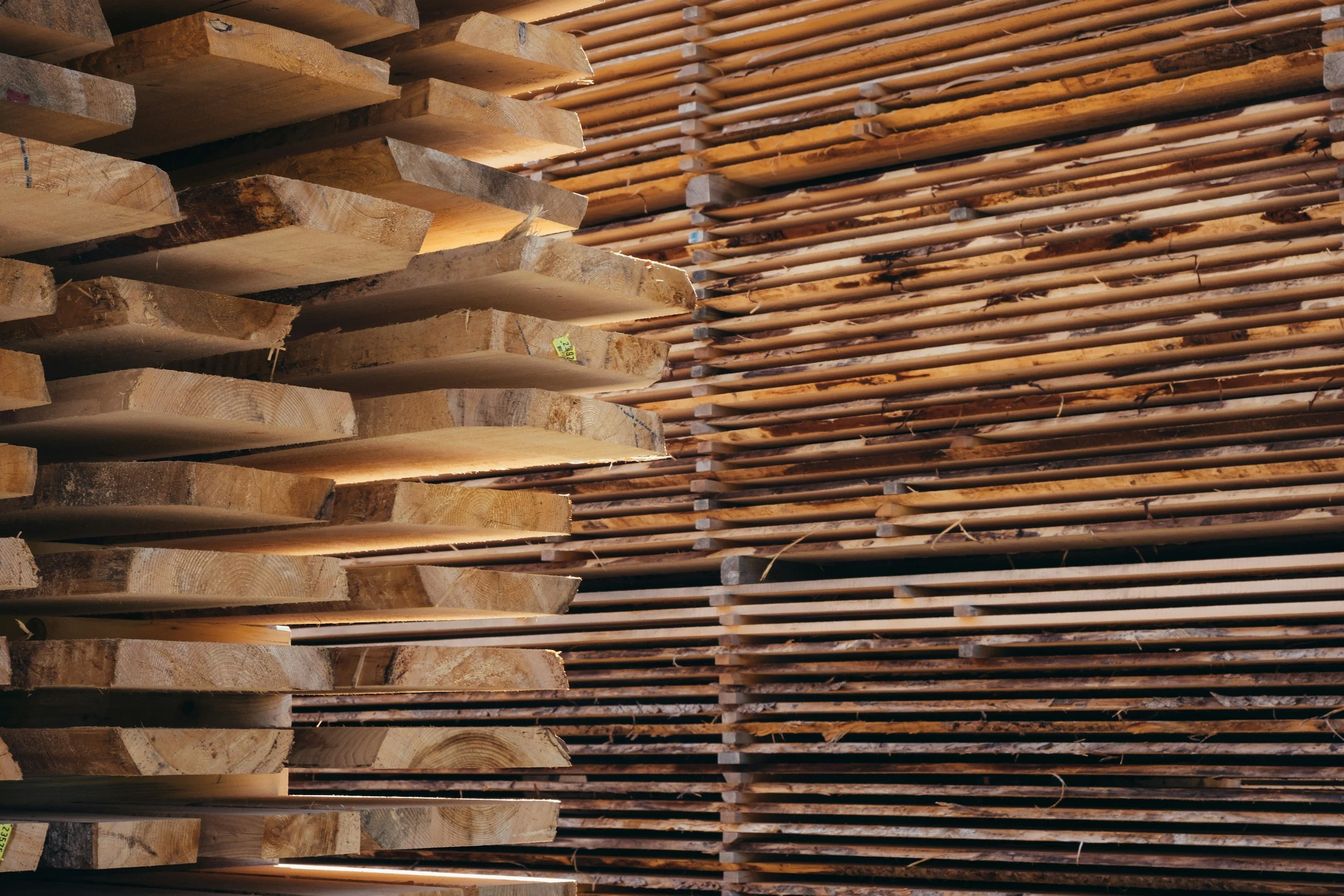
Hardwood acclimation is often reduced to a rule such as 48 hours, 72 hours, or one week in the house. Time alone does not tell an installer whether wood is ready. Flooring can sit for days in a damp addition, a heated garage, or a house where the HVAC has just been turned on and still be moving toward the wrong moisture condition.
The useful question is whether the flooring, subfloor, and expected in-use environment are compatible. That answer comes from product instructions, jobsite conditions, and recorded moisture readings. In some cases, properly stored flooring can be ready with little waiting. In other cases, a longer stay on site will not solve an active crawlspace, wet slab, or unfinished wet work.
Acclimation Is a Condition, Not a Countdown
Wood gains and loses moisture as the relative humidity around it changes. Its dimensions change with that moisture movement, especially across the width of the board. Species, cut, width, construction, finish, and installation method all influence how the material responds, but no fixed number of hours can replace a measurement.
Acclimation means allowing the flooring to reach the moisture condition appropriate for the building's normal occupied environment and the substrate it will be installed over. The flooring manufacturer may specify how the cartons should be stored, whether they should remain closed, whether the boards should be cross-stacked, and what jobsite ranges are required. Follow those instructions rather than opening every box automatically.
Make the Building Ready Before the Flooring Arrives
Flooring should not be used to absorb moisture from ongoing construction. Drywall finishing, painting, masonry, tile, and other wet work should be complete and thoroughly dry. Exterior doors and windows should be in place. The permanent or expected heating and cooling system should be operating long enough to establish conditions representative of normal use.
Below the floor, inspect the parts of the building that control moisture. A damp crawlspace, uncovered soil, poor drainage, missing vapor retarder, active plumbing leak, or recently poured concrete can keep the subfloor outside the acceptable range. Waiting another three days with the wood in the room will not correct those conditions.
Confirm that the building is enclosed and protected from weather.
Verify that HVAC conditions represent how the space will be used after installation.
Confirm that wet trades are complete and dry.
Inspect crawlspaces, basements, and slabs for visible moisture or incomplete moisture control.
Ask about recent leaks, water remediation, new concrete, and seasonal shutdowns.
Review the flooring manufacturer's storage and acclimation instructions before delivery.
Record Three Sets of Conditions
A sound acclimation record connects the room, the flooring, and the substrate. Record ambient temperature and relative humidity in the installation area. Measure the flooring moisture content in enough boards and bundles to show the range, not a single convenient reading from the top carton. Then measure the wood subfloor throughout the project, with extra attention near exterior walls, plumbing, fireplaces, and areas above crawlspaces or basements.
The National Wood Flooring Association's 2025 installation guidelines recommend, for the first 1,000 square feet of solid wood flooring, readings from at least 40 boards and at least 20 subfloor locations. Larger projects require additional readings. Those numbers are a useful reminder that moisture varies across a load of flooring and across a house.
Use a meter appropriate for the material and follow its operating instructions. Pin meters and pinless meters read differently and have different limitations. Use the correct species setting or correction for the flooring, note the meter model, and keep the test locations with the job record. A number without the material, location, and date has limited value later.
Compare Flooring and Wood Subfloor Readings
On a wood subfloor, the relationship between the flooring moisture content and the subfloor moisture content helps show whether the assembly is ready. The acceptable difference depends on board width and the applicable manufacturer or industry guidance. Wider solid planks generally require a closer moisture relationship because dimensional change accumulates across more board width.
Do not average away an outlier that points to a local problem. If most subfloor readings are consistent but the area near a patio door or refrigerator supply line is high, investigate that location. A broad average can make a wet section disappear on paper even though the flooring will still be installed over it.
Concrete Requires a Different Moisture Evaluation
A wood moisture meter reading from the surface of concrete is not the same as a quantitative concrete moisture test. For engineered hardwood over concrete, use the test method required by the flooring and adhesive manufacturers. That may include in-situ relative humidity testing, a calcium chloride moisture-vapor-emission test, or another approved method. Record the slab age, test locations, ambient conditions, and results.
If the test exceeds the system limit, select an approved moisture-mitigation approach or delay the installation. Do not assume that an adhesive labeled moisture resistant can be used over any reading. The subfloor preparation, test method, mitigation product, adhesive, and flooring must work as a complete warranted system.
Why More Acclimation Time Can Make the Job Worse
Extra time helps only when the jobsite is already moving toward the expected service condition. If flooring sits in a house without working air conditioning during a humid summer, it may gain moisture that it will lose after the homeowner moves in. Installing it at the higher moisture content can increase the chance of seasonal gaps later.
The reverse can happen in winter. Flooring stored beside a temporary construction heater may become drier than it will be during normal occupancy. Once the building returns to its typical humidity, the boards can expand. Acclimation should not be used to force wood toward a temporary construction environment.
Installation Problems Associated With Moisture Imbalance
Cupping. Board edges sit higher than the centers, often associated with a moisture difference through the thickness of the wood.
Crowning. Board centers sit higher than the edges. It can follow moisture exposure or premature sanding of a previously cupped floor.
Gapping. Boards lose moisture and contract, leaving spaces that may exceed normal seasonal movement.
Buckling or lifting. The floor separates from the substrate or pushes upward when expansion pressure, moisture, fastening, or expansion-space conditions exceed what the assembly can accommodate.
Checking and finish stress. Rapid or extreme moisture change can contribute to splits, surface checks, or finish damage in some products.
These symptoms do not identify a cause by themselves. Leak history, HVAC operation, fastening, expansion space, slab moisture, maintenance, and product construction all need to be considered. Good pre-installation readings give the contractor a reliable starting point if conditions change later.
A Practical Hardwood Acclimation Process
1. Read the product instructions. Confirm jobsite ranges, storage method, subfloor requirements, testing, and any product-specific acclimation direction.
2. Inspect the building. Verify enclosure, operating HVAC, completed wet work, and moisture control below and around the installation.
3. Establish baseline conditions. Record room temperature and relative humidity before delivery when possible.
4. Measure the flooring and substrate. Sample enough material and locations to identify the range and any isolated high areas.
5. Allow conditions to move toward normal use. Store the material as directed and continue readings until the flooring, substrate, and environment meet the specification.
6. Document the installation-day readings. Record final conditions before fastening or gluing the floor.
Hardwood Acclimation Questions
How long should hardwood flooring acclimate?
There is no universal time. The flooring is ready when the product instructions, jobsite conditions, substrate test results, and flooring moisture readings are all acceptable.
Can hardwood ever be installed as soon as it arrives?
Yes, if the manufacturer allows it and measurements show that the flooring, substrate, and normal in-use environment already align. Record those conditions before installation.
Should hardwood boxes be opened for acclimation?
Follow the manufacturer's packaging instructions. Some products should remain in cartons until installation. Others may require a specific stacking method. Opening boxes without checking can expose preconditioned material to the wrong environment.
Is room humidity enough to decide?
No. Ambient temperature and relative humidity are part of the record, but the flooring and substrate must also be measured with the appropriate methods.
Final Thoughts
The clock cannot tell whether hardwood is ready. Stable jobsite conditions, representative readings, and the product instructions can. Measure the room, the flooring, and the substrate; correct moisture sources before installation; and keep the readings with the job file. That is a stronger installation decision than any fixed waiting period.
Where HeyPros Fits In
HeyPros connects flooring contractors with homeowners planning local projects. For hardwood opportunities, ask early whether the home is occupied, the HVAC is operating, the material has been selected, the subfloor is wood or concrete, and there has been any recent water work. The answers help you plan the site visit and identify which moisture checks must happen before installation is scheduled.
Suggested internal links
How Flooring Contractors Should Decide Which Leads to Pursue
The Walkthrough Habits That Help Contractors Write Better Estimates
