
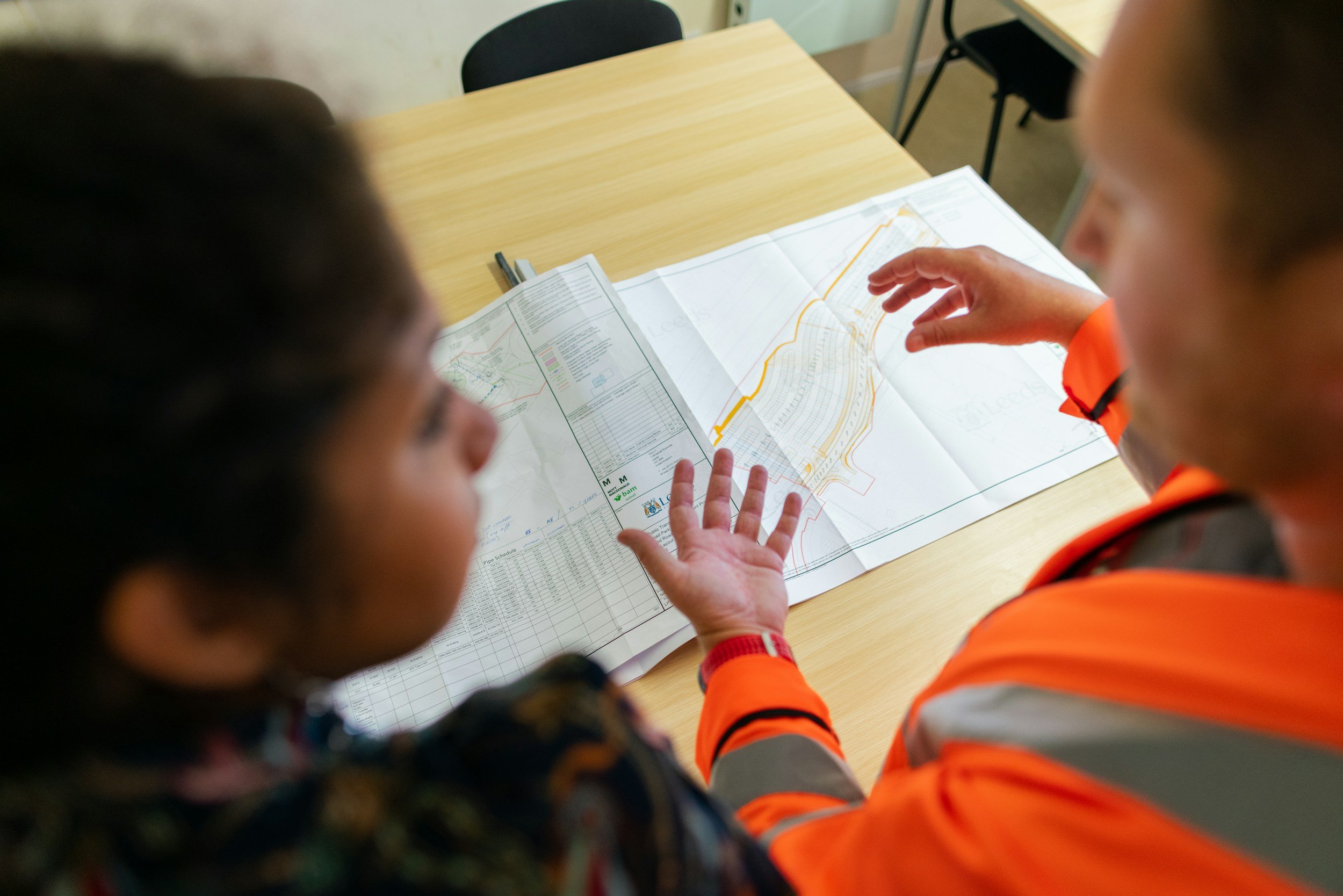
A lot of estimate mistakes do not happen at the keyboard.
They happen during the walkthrough.
That is where contractors either gather the right information or miss it. The price itself usually is not the problem. The problem is that the estimate is built on incomplete observations, vague assumptions, or details that never got clarified while the contractor was actually standing in the space.
That is why good estimating starts long before the estimate gets written.
The contractors who write stronger estimates usually are not guessing better. They are walking the job better.
Do Not Start With Price
A lot of customers want to know the number right away.
That is understandable. They are trying to figure out whether the project is realistic, whether your company is in range, and whether it makes sense to keep talking.
Still, a contractor who starts thinking about price too early can miss the things that actually determine the price.
Walk the job first.
Look at the condition of the surfaces. Look at access. Look at prep. Look at anything that could change labor, material, or timeline.
If you let the conversation jump straight to price, you are more likely to end up with a number that feels clean on paper and messy in real life.
Walk the Whole Job, Not Just the Main Problem Area
Customers often lead the walkthrough by taking you straight to the part they care about most.
That is useful, but it can create tunnel vision.
If a homeowner wants a flooring quote, they may focus on the rooms where the new material will go. Meanwhile, transitions, hallways, stair noses, subfloor issues, furniture, or adjacent surfaces may be what really shapes the job.
If a painting customer points to the wall color they want changed, that still does not answer ceiling height, trim condition, drywall repairs, furniture moving, or whether the home is occupied.
Walk the full scope.
Then circle back to the main concern.
That one habit alone can prevent a lot of underbidding.
Ask Questions That Reveal Hidden Work
Some of the most expensive surprises are not visible right away.
They come from what the customer assumes is included, what the old material is hiding, or what nobody talks about because it feels obvious until it is not.
Ask direct questions.
Has there been water damage here before? Has this floor been patched or leveled? Are these cabinets staying in place? Who is moving furniture? Are you expecting the trim to be replaced or painted too? Is anyone living here during the work?
A better estimate often comes down to better questions, not better math.
Write Down Assumptions While You Are Still There
Memory is helpful until it is not.
A lot of contractors leave a walkthrough thinking they will remember the key details. Then two more estimates happen, a supplier calls, a crew member needs something, and suddenly the notes are incomplete.
Write down the assumptions while you are on site.
Not just measurements. Assumptions.
Existing flooring to be removed. Customer supplying tile. Touch-up on trim not included. One room full of furniture. Exterior prep likely heavier on south side. Garage access available.
These details are what protect the estimate later.
They are also what make the estimate sound more professional when the customer reads it.
Take Photos Like You Will Need Them Later
Because you probably will.
Good walkthrough photos are not about marketing. They are about accuracy.
Take wide shots so you can remember the layout. Take close shots of damage, corners, transitions, problem areas, and anything unusual. Photograph the details that could affect prep, labor, or materials.
A blurry phone photo that only makes sense while you are standing in the room is not enough.
You want photos that help you answer questions later when you are writing the estimate, reviewing scope with your crew, or reminding yourself why the price came out the way it did.
Confirm What Is Not Included
This is one of the cleanest ways to avoid friction later.
A lot of estimate problems come from work the customer assumed was included but the contractor never priced.
That does not mean you need to turn every walkthrough into a legal document.
It does mean you should say the quiet part out loud before it becomes a problem.
For example:
“I’m pricing the flooring install and demo, but not moving major furniture.”
“I’m including wall painting and standard prep, but not extensive drywall repair unless we find more damage.”
“I’m quoting the roof repair area we discussed, not a full replacement.”
That kind of clarity protects both sides.
Summarize the Job Before You Leave
Before the walkthrough ends, give the customer a simple summary of what you believe the job is.
Not a sales pitch. A summary.
Something like:
“Just so we’re on the same page, I’m pricing the two bedrooms, hallway, ceilings in those spaces, minor patching, and trim touch-up. I’m not including the living room yet, and I’d want to call out any extra repair if we find more once prep starts.”
This gives the customer one last chance to correct anything.
It also shows that you were paying attention.
Better Estimates Start With Better Observation
Contractors sometimes talk about estimating like it is mostly a pricing skill.
It is not.
It is an observation skill first.
The number matters, of course. But the number only works if the scope is right, the assumptions are clear, and the walkthrough uncovered what needed to be uncovered.
A contractor who walks jobs carefully usually writes estimates that feel calmer. The crew gets fewer surprises. The customer gets fewer changes. The job starts on better footing.
That is not luck.
That is a better walkthrough.
