
How Contractors Should Close Out Jobs Like a Pro
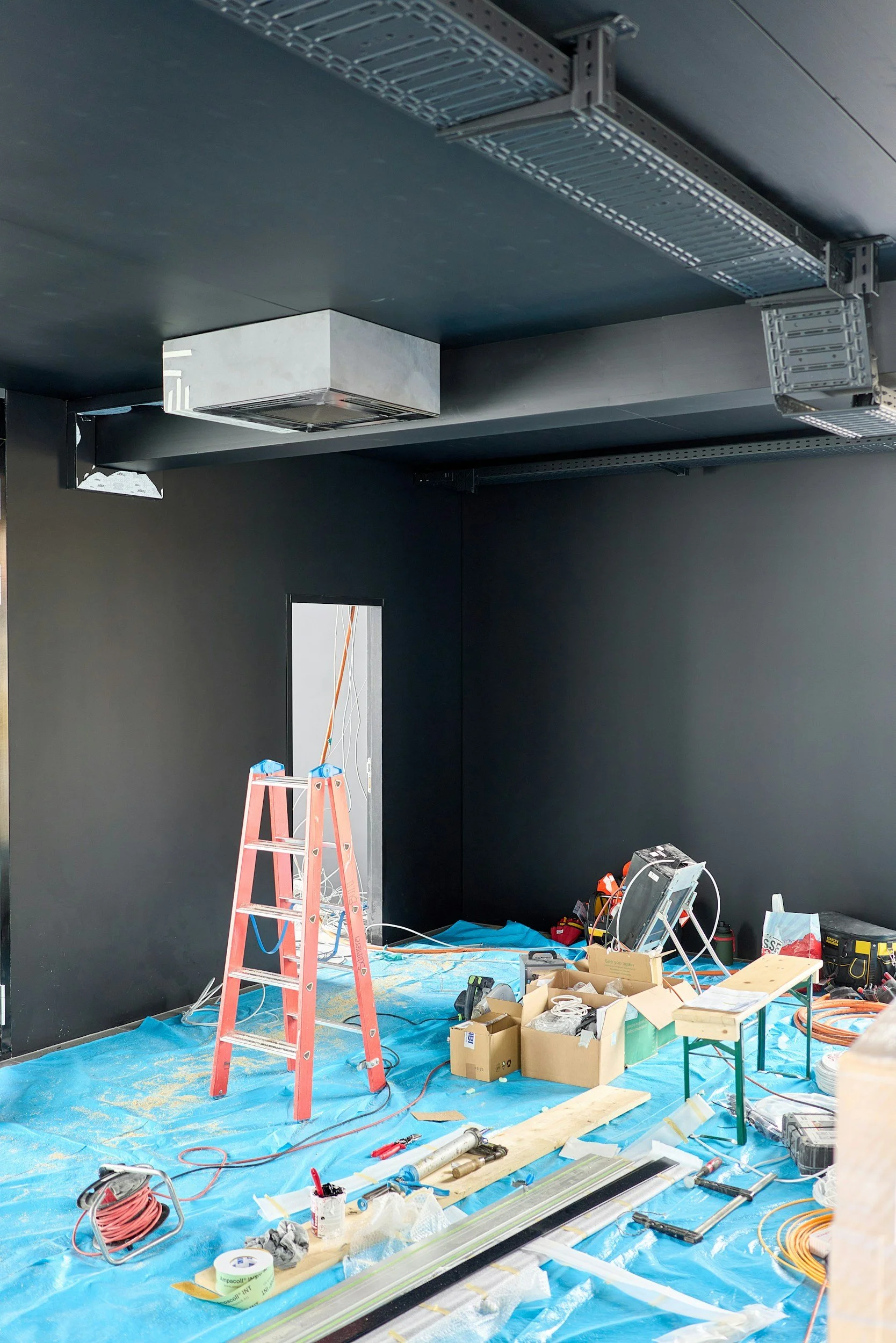
The end of a job matters more than many contractors think.
A project can go well for days or weeks, then feel messy at the finish because the closeout is rushed.
Tools are still on site.
Photos were never sent.
A small punch list is unclear.
The invoice is vague.
The homeowner or company is not sure what was completed.
Nobody knows whether the job is officially done.
That kind of ending can weaken an otherwise good project.
A clean closeout helps you get paid faster, avoid confusion, and leave the customer with more confidence in your work.
Do a Final Walkthrough Before You Call It Done
Before you tell the customer the job is complete, walk it yourself.
Look for:
missed touch-ups
incomplete details
cleanup issues
damage
loose materials
poor finish areas
anything that may create a question later
A painter should check edges, coverage, trim, cleanup, and touch-ups.
A flooring contractor should check transitions, cuts, movement, baseboards, and cleanup.
A roofer should check completed repair areas, debris, nails, gutters, and photos.
A remodeler should check finishes, hardware, caulk, paint, alignment, and remaining punch items.
Try to catch small issues before the customer has to point them out.
Take Completion Photos
Photos are one of the easiest ways to protect yourself and show professionalism.
Take clear photos of:
the finished work
any important details
cleaned areas
repaired areas
installed materials
before-and-after comparisons when useful
If the job was done for a hiring company, completion photos can be especially valuable.
They help confirm the work, support your invoice, and make it easier for the company to trust you on the next job.
If the job came through HeyPros, keeping job-related photos and messages connected to the work helps create a cleaner record.
Handle the Punch List Clearly
Punch lists are normal.
The problem comes when they are vague.
Do not leave the customer with a loose conversation like:
“Yeah, we’ll come back for a couple things.”
Write it down.
A simple punch list should include:
what remains
who is responsible
when it will be completed
whether it affects final payment
whether it is warranty, touch-up, or added work
For example:
“Remaining items: touch up baseboard near hallway door, install missing transition strip at bedroom entry, remove leftover material from garage. Scheduled for Friday morning.”
That is clear.
Clear punch lists reduce tension.
Confirm Any Changes Before Final Billing
Before sending the final invoice, review whether anything changed.
Did the customer add scope?
Did material costs change?
Was there hidden damage?
Did the timeline change?
Were there approved extras?
If so, make sure the final invoice matches the written approvals.
Do not surprise the customer at the end with a number they have never seen.
A better closeout includes a short summary:
“The final invoice includes the original approved quote plus the hallway subfloor repair approved on March 12.”
That makes the bill easier to understand.
Send a Clean Invoice
A vague invoice can create unnecessary friction.
A strong invoice should include:
customer name
job address
project description
completed scope
approved extras
total due
payment method
due date
any deposit already paid
For example:
“Interior repaint of living room, hallway, and kitchen. Includes wall prep, two coats of paint, trim touch-up, materials, and cleanup. Deposit of $1,200 received. Final balance due: $1,200.”
That is much better than:
“Paint job balance: $1,200.”
Clarity helps you get paid.
Ask for Feedback While the Job Is Fresh
Once the job is complete and the customer is happy, ask for feedback.
Keep it simple:
“Thanks again for working with us. If everything looks good, we’d really appreciate a review or referral.”
For hiring companies, the ask may be slightly different:
“Appreciate the opportunity. We’d be happy to help with similar jobs in the future.”
The best time to ask is usually right after a clean finish.
Save Your Records
After closeout, keep the important records together.
That includes:
estimate
messages
photos
change approvals
receipts
invoice
payment confirmation
punch list notes
This helps if questions come up later.
It also helps you improve your own estimating, pricing, and documentation.
What to Avoid
A few closeout mistakes create problems fast:
Leaving before the job feels finished
The customer should not feel like they have to chase you for obvious loose ends.
Sending a vague invoice
If the bill is unclear, payment can slow down.
Forgetting completion photos
Photos protect you and help prove the work was completed.
Handling added scope casually
Added work should be documented before final billing.
Ignoring cleanup
Cleanup is part of the customer’s final impression.
Letting messages scatter
When possible, keep job communication tied to the project so it is easy to find later.
Final Thoughts
A strong closeout is part of doing good work.
It helps you look professional, protect payment, reduce disputes, and earn future opportunities.
Walk the job.
Take photos.
Write down punch items.
Confirm changes.
Send a clear invoice.
Save the records.
Customers remember how a project ends.
Make the ending feel as organized as the work itself.
