
How to Become a Roofing Contractor and Start Winning Jobs
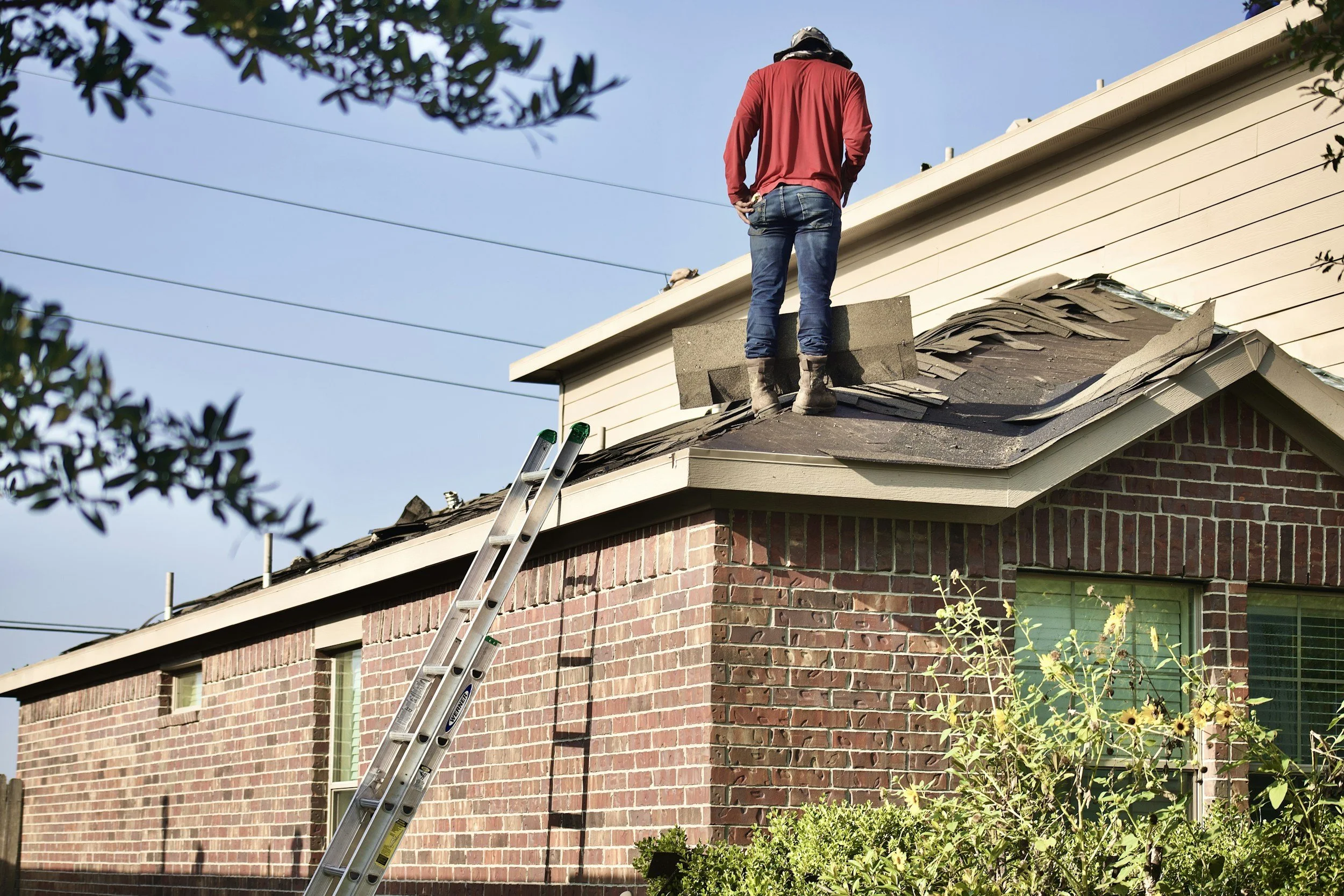
Getting started as a roofing contractor can be exciting and intimidating at the same time.
Roofing is one of those trades where customers care about the work immediately. A leaking roof, storm damage, missing shingles, or an aging system usually cannot wait forever. That creates real opportunity for new contractors.
It also creates real pressure.
Customers expect you to sound knowledgeable, organized, and trustworthy from the start. They are not just hiring someone to install shingles. They are hiring someone to protect their home.
That means success in roofing is not only about knowing how to do the work. It is also about learning how to quote properly, explain things clearly, build trust quickly, and stay organized enough to keep jobs moving.
If you are just getting started, here is a practical guide to building momentum the right way.
Start by Deciding What Kind of Roofing Work You Want to Do
One of the biggest mistakes new roofing contractors make is trying to do every type of roofing job right away.
That usually creates problems with estimating, materials, labor planning, and customer expectations.
A better approach is to get specific early.
You might focus on:
residential roof replacements
residential roof repairs
storm damage work
asphalt shingle roofing
metal roofing
flat roof repairs
gutters and related exterior work
You do not need to do everything at once.
It is much easier to build a reputation when people know exactly what kind of roofing work you do best.
Get the Business Basics in Place First
Before you spend too much time chasing jobs, make sure your foundation is solid.
That means getting clear on:
your business name
your phone number and email
the licenses your area may require
insurance requirements
how you will send estimates
how you will collect deposits and payments
how you will track leads and follow-ups
Roofing customers are often making bigger decisions than they would for a small handyman job. They want to feel like they are dealing with a real business, not someone figuring it out as they go.
Even if you are new, you can still come across as professional if the basics are in order.
Learn How to Inspect and Explain Roof Problems Clearly
A lot of new roofers know what they are looking at, but they do not yet know how to explain it well.
That matters.
A homeowner may not understand terms like flashing failure, underlayment issues, soft decking, or ventilation problems. What they do understand is whether you sound confident, clear, and honest.
When you inspect a roof, practice explaining things in simple language:
what the issue is
what caused it
whether it is urgent
what needs to be repaired or replaced
what happens if it is ignored
People hire roofers they trust. Clear explanation builds that trust.
Build a Small Roofing Portfolio as Fast as You Can
You do not need 50 projects to start marketing yourself well.
You do need proof that you know what you are doing.
Start building a portfolio with strong photos of:
missing or damaged shingles
flashing issues
storm damage
before and after repair work
full replacement projects
close-up workmanship details
clean jobsite setup and cleanup
If you can, include a mix of:
damage photos
repair photos
finished roof photos
gutter or exterior detail photos
The goal is not to overwhelm people with images. The goal is to give them confidence.
Get Better at Roofing Estimates Early
Pricing roofing jobs well takes time.
New contractors often make one of two mistakes:
pricing too low because they want to win the job
pricing too fast without understanding the full scope
A strong roofing estimate should account for:
tear-off
disposal
decking issues if present
underlayment
flashing
ventilation
shingle or metal system
labor
cleanup
warranty considerations
overhead
profit
Do not just price what the roof looks like from the ground.
Take the time to understand the full job.
It is much better to send a thoughtful estimate a little later than to win a job that turns unprofitable because you missed major cost drivers.
Be Specific About Scope
Roofing customers want clarity.
Your estimate should make it easy to understand:
what system is being installed or repaired
what materials are included
what prep or tear-off is included
whether decking replacement is included or billed separately
whether flashing and ventilation work are included
what cleanup will look like
how long the project should take
what warranty or workmanship terms apply
Vague roofing estimates lead to confusion fast.
The more clearly you define the scope, the easier it is to avoid disputes later.
Do Not Rely on Price Alone to Win Jobs
A lot of new contractors think the fastest way to win work is to be the cheapest.
That usually works until it does not.
Roofing customers are not only buying a price. They are buying confidence.
They want to know:
will you show up
will the work be done correctly
will the roof hold up
will the property be protected
will cleanup be handled well
will communication be clear if something changes
A slightly higher estimate from someone who feels organized and trustworthy often beats a lower one from someone who sounds uncertain.
Keep Your Profile, Trades, and Service Area Clear
If you are using a platform to find work, make it easy for people to understand where you work and what you do.
Your profile should clearly reflect:
roofing as a core trade
the geographic areas you actually serve
project photos
the types of roofing jobs you want
any related exterior services you offer
If you only want residential work, say that.
If you only want certain counties, set that clearly.
If you do repairs but not full replacements, make that obvious.
Clarity helps you attract better-fit work and waste less time on jobs you do not want.
Respond Quickly When a Roofing Opportunity Comes In
Speed matters a lot in roofing.
Sometimes the customer has a leak.
Sometimes they just noticed damage after a storm.
Sometimes they are comparing several contractors at once and moving quickly.
If you respond too slowly, you lose ground.
A good process is simple:
check for new opportunities every day
reach out quickly when something fits
keep your first message clear and professional
follow up if you do not hear back right away
You do not need a complicated sales system.
You need a repeatable one.
Ask Better Questions on the First Call
The first conversation is not just about booking an estimate. It is also about understanding urgency and fit.
A few good questions:
What issue are you noticing with the roof?
Is this storm damage, an older roof, or an active leak?
Are you looking for a repair or are you open to replacement if needed?
How soon are you hoping to get this looked at?
Have any other contractors already inspected it?
These questions help you sound prepared and also help you decide how serious the opportunity is.
Stay Organized From Day One
Roofing jobs involve more moving parts than many new contractors expect.
Even if you are small, you need a simple system for tracking:
incoming leads
inspections scheduled
estimates sent
jobs won
jobs lost
follow-ups due
deposits collected
material ordering
project dates
final payment
You do not need a complicated back office on day one.
You do need a process that keeps work from slipping through the cracks.
Focus on Trust as Much as Technical Skill
This is one of the most important parts of getting started in roofing.
Customers are often nervous when hiring a roofer. It is a meaningful expense, a high-stakes part of the home, and a trade where trust matters a lot.
That means the contractors who win early are usually the ones who:
communicate clearly
show up when they say they will
explain problems simply
send organized estimates
follow up professionally
make customers feel comfortable
Technical ability matters.
But in the beginning, trust is often what gets you in the door.
Common Mistakes New Roofing Contractors Make
Trying to do every kind of roofing work
This makes it harder to estimate accurately and build a clear reputation.
Underpricing jobs
Winning the job is not enough if the job loses money.
Being vague in estimates
Customers trust clear scope and clear materials.
Responding too slowly
Roofing opportunities often move quickly.
Taking weak project photos
You need visible proof of the quality of your work.
Sounding too technical
Customers want expertise, but they also want clarity.
Final Thoughts
Becoming a roofing contractor is not about looking like the biggest company on day one.
It is about building confidence step by step.
Start with the basics:
choose the kind of roofing work you want
get your business setup in order
learn to inspect and explain clearly
build a small portfolio
send detailed estimates
respond quickly
stay organized
communicate like someone customers can trust
That is how momentum starts.
You do not need to have everything figured out before you begin.
You do need to look reliable, sound prepared, and do good work consistently.
That is what helps new roofing contractors start winning jobs.
