
How to Become a Flooring Contractor and Start Winning Jobs
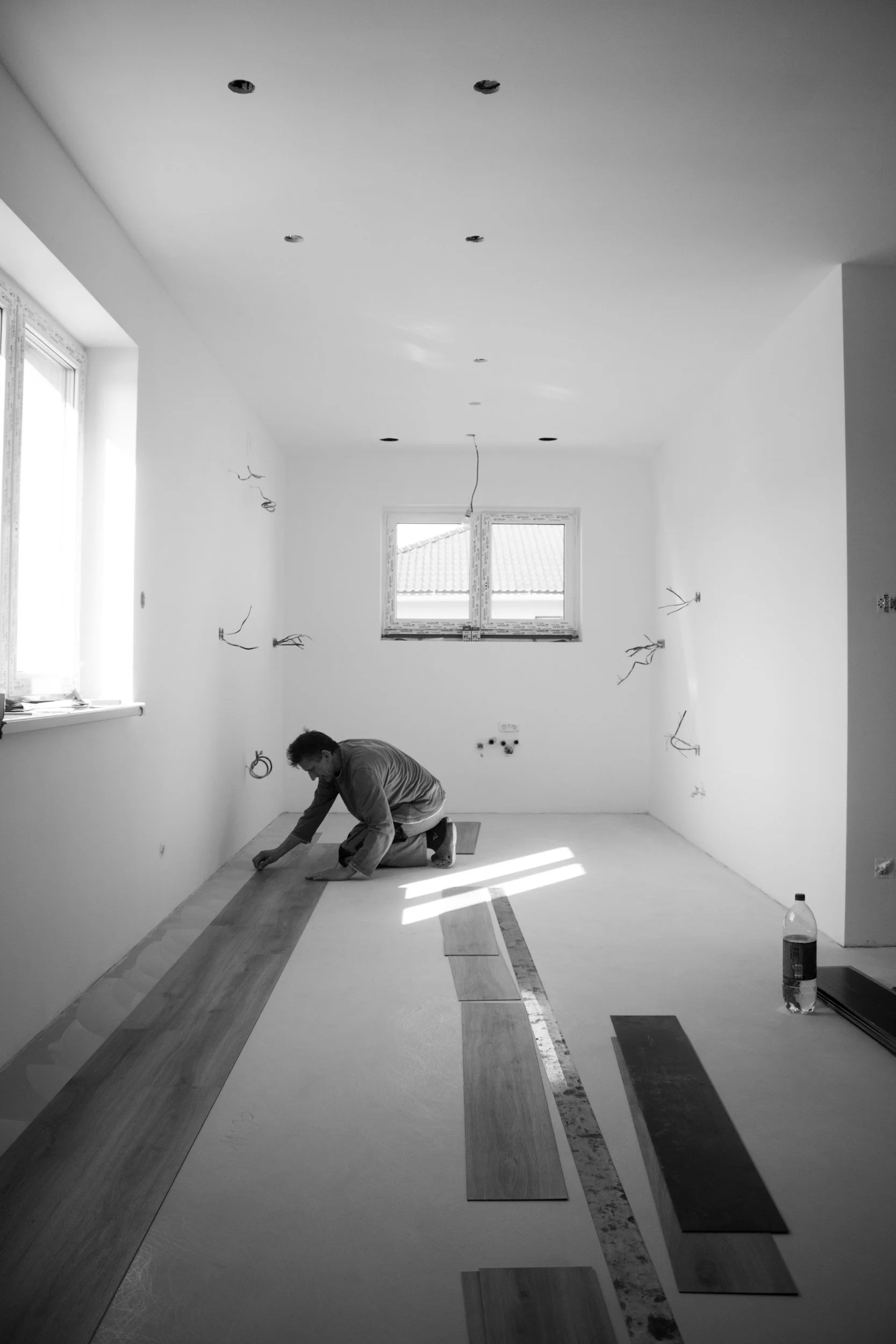
Getting started as a flooring contractor can be a great business opportunity.
There is steady demand for flooring work in homes, rentals, flips, and commercial spaces. Customers are always looking for help with projects like LVP installation, laminate, hardwood, tile, carpet replacement, and repairs.
But knowing how to install flooring is only part of the job.
If you want to succeed as a flooring contractor, you also need to know how to scope projects clearly, price them profitably, communicate well, and build trust quickly.
A lot of new contractors struggle early not because they cannot do the work, but because they are disorganized, underpriced, or too broad in what they offer.
If you are just getting started, here is a practical guide to building momentum the right way.
Start by Deciding What Type of Flooring Work You Want to Focus On
One of the biggest mistakes new flooring contractors make is trying to do everything right away.
That sounds flexible, but it often creates confusion in your marketing, your estimates, and your operations.
A better approach is to get clear on the kind of flooring work you want to be known for first.
That could be:
LVP and laminate installation
hardwood installation
hardwood refinishing
tile floors
carpet installation or replacement
subfloor repair
rental turns and apartment flooring refreshes
small repair and patch work
You can always expand later.
In the beginning, clarity helps people understand when you are the right fit and helps you get better at estimating the same kinds of jobs over and over.
Get the Business Basics in Place
Before you worry about growth, make sure your foundation is solid.
That means having:
a business name
a professional phone number and email
any licenses your area requires
insurance if needed for the jobs you want
a simple invoicing process
a way to send estimates
a system for tracking leads, follow-ups, and payments
Customers want to feel like they are hiring someone reliable, not someone making it up as they go.
You do not need a massive back office to look professional. You just need the basics to be clear and consistent.
Build a Small Portfolio Quickly
If you want people to trust you, you need proof of your work.
A lot of new flooring contractors wait too long to start collecting photos. That is a mistake.
Take photos of:
rooms before installation
subfloor prep
transitions and trim work
detailed cuts around corners and doorways
finished rooms from multiple angles
close-up shots of clean seams and edges
before and after transformations
If you do hardwood, show finish quality.
If you do tile, show layout and spacing.
If you do LVP, show alignment, transitions, and overall finish.
You do not need 100 projects to have a useful portfolio. Even 8 to 10 strong examples can make a big difference.
Learn How to Scope a Flooring Job Clearly
This is where many new flooring contractors run into trouble.
They know how to install the floor, but they do not explain the full scope clearly enough before the job starts.
That creates misunderstandings fast.
A strong flooring scope should usually explain:
what type of flooring is being installed
which rooms or areas are included
whether demo and removal are included
whether furniture moving is included
whether subfloor prep or repair is included
whether materials are provided by you or the customer
whether trim, baseboards, transitions, or underlayment are included
whether haul-away and cleanup are included
how long the project should take
The more clearly you define the job, the less likely you are to end up arguing later about what was or was not included.
Price for Profit, Not Just for the Sale
A lot of new flooring contractors underprice jobs because they think the fastest way to win is to be cheaper than everyone else.
That may win a few jobs early.
It also creates problems if you are not accounting for the full cost of the work.
When pricing flooring work, think through:
square footage
material costs
underlayment
demo and disposal
floor prep
subfloor leveling or repair
travel time
trim and transitions
labor
cleanup
overhead
profit
If you price only the visible installation work and forget everything around it, the job can stop making sense financially very quickly.
It is better to lose a weak job than to win one that burns your time and money.
Understand That Prep Often Decides the Job
Many new contractors focus most of their attention on the finished floor.
The finished floor matters, but prep is what often makes the difference between good work and problems later.
Customers may not fully understand this, which is why you need to explain it well.
For example:
uneven subfloors can create noise and movement
moisture issues can affect certain flooring types
bad prep can shorten the life of the floor
transitions and edges matter just as much as the main install area
The contractors who explain prep clearly often build more trust than the ones who only talk about product and price.
Keep Your Profile and Service Area Clear
If you are using a marketplace or app to find work, your profile should make it easy for people to understand what you do and where you work.
Make sure it clearly shows:
your company name
your flooring specialties
your service area
project photos
the types of work you want most
If you mainly do LVP and laminate, say that.
If you do tile but not carpet, say that.
If you only want work within a certain radius, set that clearly.
That helps you spend more time on opportunities that are actually a fit.
Respond Quickly When New Opportunities Come In
Speed matters in flooring just like it does in other trades.
A homeowner comparing multiple flooring contractors may decide quickly based on who responds first and sounds the most organized.
A company posting work may move forward with the first few contractors who look like a strong fit.
A simple process helps:
check for opportunities every day
respond quickly when something fits your trade and area
keep your first message short and professional
follow up if you do not hear back right away
You do not need a complicated sales process.
You need one you can repeat.
Ask Better Questions Before You Quote
The first conversation should help you figure out whether the opportunity is real and whether it is a good fit.
A few smart questions can help a lot:
What kind of flooring are you looking to install or replace?
How many rooms or what approximate square footage are we talking about?
Is there existing flooring that needs to be removed?
Do you already have materials selected?
Is there any floor prep or damage you are aware of?
Are you hoping to do this soon, or are you still comparing options?
That gives you better information and also shows the customer that you know what matters.
Focus on Clean Communication
A lot of flooring jobs are won because the contractor sounds trustworthy and organized.
Customers notice:
whether you respond quickly
whether you explain things clearly
whether your estimate feels detailed
whether you answer questions without sounding annoyed
whether you seem easy to work with
That matters more than many new contractors realize.
You are not just selling installation. You are selling confidence.
Stay Organized From the Beginning
Even if you are a one-person operation, you need a system.
Track things like:
incoming leads
estimates sent
follow-ups due
jobs won
jobs lost
deposits received
job dates
balances owed
The flooring contractors who stay organized early usually grow faster because they do not waste time recreating the same process every week.
Common Mistakes New Flooring Contractors Make
Trying to do every type of flooring work
This makes estimating and marketing harder than it needs to be.
Underpricing jobs
Winning work does not help if the project is not profitable.
Ignoring subfloor and prep issues
Prep problems become job problems quickly.
Sending vague estimates
Customers trust details.
Responding too slowly
Fast, professional communication wins work.
Failing to collect project photos
You need proof of your craftsmanship.
Focusing only on the install
Cleanup, transitions, trim, and communication all affect the final impression.
Final Thoughts
Becoming a flooring contractor is not about having a perfect business from day one.
It is about getting a few important things right:
choose the kind of flooring work you want to focus on
get your business basics in place
build a small portfolio
learn how to scope and price jobs clearly
respond quickly
stay organized
communicate like a professional
That is what helps you start winning work and building momentum.
You do not need to be the biggest flooring contractor in your market to get started well.
You need to be clear, reliable, and consistent.
That is usually enough to begin.
