
How to Become a Better Painter and Improve Your Craft
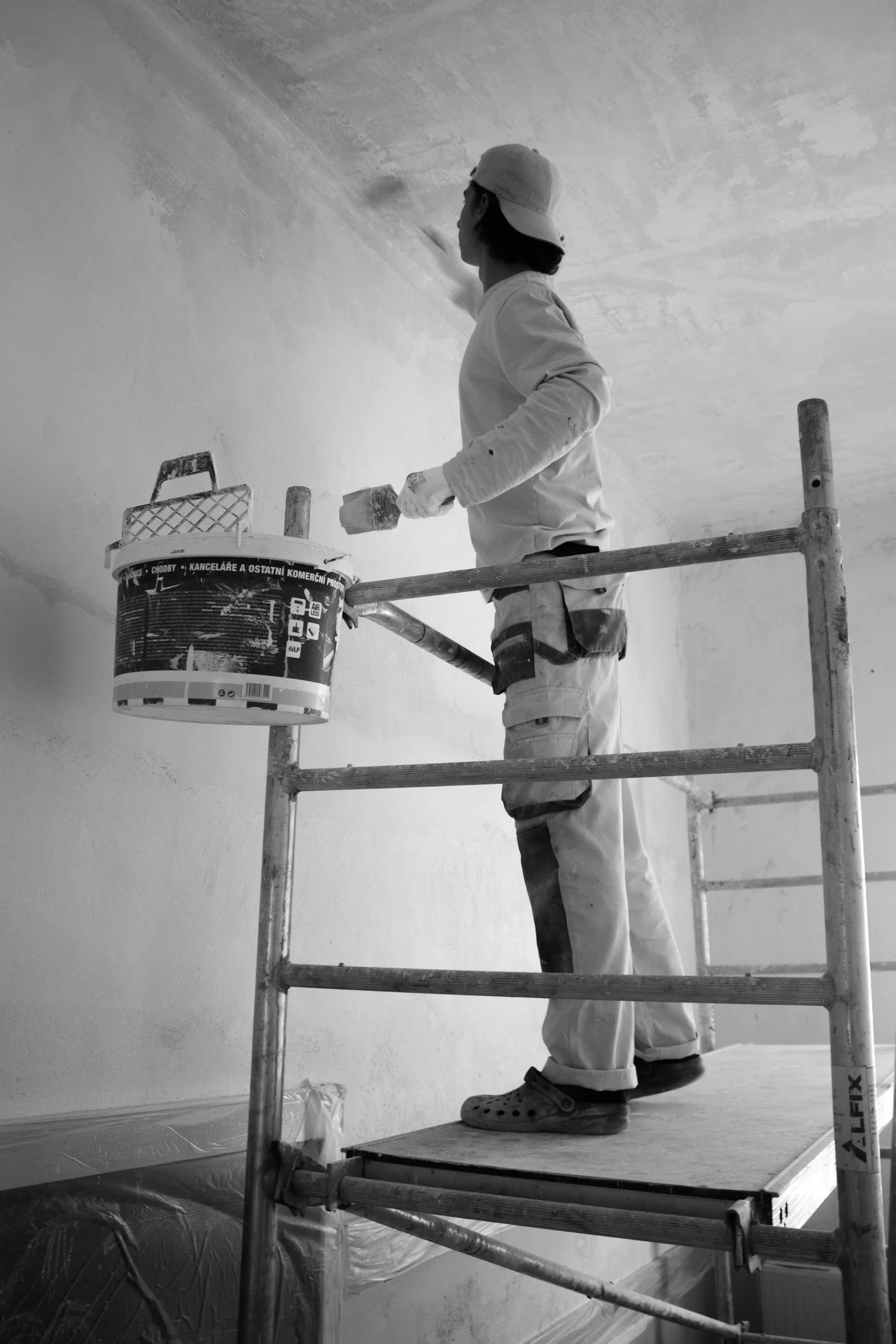
A good painter can make a room look better.
A great painter makes the whole job feel clean, controlled, and professional from start to finish.
The difference usually shows up before the paint ever hits the wall.
It shows up in the prep, the protection, the product choice, the way lines are cut, the way the final coat lays down, and the way the homeowner feels when the crew leaves.
If you want to become a better painter, focus on the skills that create a cleaner finish and fewer problems later.
Get Serious About Prep
Prep is where most paint jobs are won or lost.
A homeowner may notice the color first, but the finish quality usually comes from everything that happened before the final coat.
Better painters take time to:
clean dirty or greasy surfaces
patch holes properly
sand rough repairs smooth
caulk gaps cleanly
scrape peeling paint
spot prime repaired areas
protect floors, furniture, fixtures, and trim
Rushed prep creates flashing, uneven texture, peeling, visible patch marks, and unhappy customers.
If you want to improve fast, start by improving your prep standards.
Learn Product Knowledge
Better painters understand what they are applying and why.
Different jobs require different products.
Interior walls, trim, cabinets, exteriors, masonry, metal railings, and stained surfaces all behave differently.
You should understand:
when primer is needed
which sheen makes sense for each room
how humidity affects drying
how temperature affects exterior paint
when to use oil-based or bonding primers
how different paints cover and level
which products hold up better for high-traffic areas
The more you understand the material, the fewer mistakes you make on the job.
Improve Your Cutting Skills
Clean cutting is one of the clearest signs of a skilled painter.
A better painter can cut a straight line around ceilings, trim, windows, doors, and corners without creating messy edges.
To improve, practice:
loading the brush correctly
controlling pressure
keeping a steady hand
using the right brush for the surface
cutting in small, controlled sections
feathering edges before rolling
Speed comes later. Control comes first.
Get Better at Rolling
Rolling looks simple, but bad rolling shows quickly.
Common mistakes include:
dry rolling
heavy roller marks
uneven coverage
missed edges
poor overlap
pressing too hard
stopping in the middle of a wall
A better painter keeps a wet edge, uses consistent pressure, and works in sections that make sense.
You should also learn which nap to use for each surface. A smooth wall, textured wall, ceiling, and exterior surface may all need different rollers.
Learn Spraying the Right Way
Spraying can save time and create a beautiful finish, but only when done properly.
Bad spraying creates overspray, runs, uneven coverage, and expensive cleanup.
If you spray, get comfortable with:
masking thoroughly
choosing the right tip
setting pressure correctly
keeping the gun the right distance from the surface
overlapping passes evenly
backrolling when needed
cleaning equipment properly
A sprayer should make the job better, not sloppier.
Study Your Finished Work
One of the fastest ways to improve is to inspect your own work honestly.
After a job, look for:
visible lap marks
rough patch spots
missed caulk lines
inconsistent sheen
paint on hardware or floors
weak coverage near edges
messy cut lines
poor cleanup
Do not wait for the homeowner to point things out.
Train yourself to see small issues before they become customer complaints.
Get Faster Without Getting Sloppy
Speed matters in painting because labor time affects profit.
But speed should come from better process, not shortcuts.
You get faster by:
setting up the jobsite efficiently
keeping tools organized
prepping in the right order
reducing unnecessary trips
staging materials properly
having a clear workflow for each room
A faster painter with poor quality creates callbacks. A faster painter with strong process makes more money.
Communicate Like a Professional
Painting is personal for homeowners. You are working inside their home, around their furniture, colors, and daily life.
Better painters communicate clearly about:
start time
project length
color confirmation
what needs to be moved
what is included
what prep is being done
when areas can be used again
how touch-ups are handled
A homeowner who understands the process is usually easier to work with.
Final Thoughts
To become a better painter, focus on the parts of the job that create trust and consistency.
Prep better.
Cut cleaner.
Roll smoother.
Learn products.
Inspect your own work.
Protect the home.
Communicate clearly.
That is how painters improve from “good enough” to the kind of contractor people call again.
