
How to Become a Better Deck Contractor
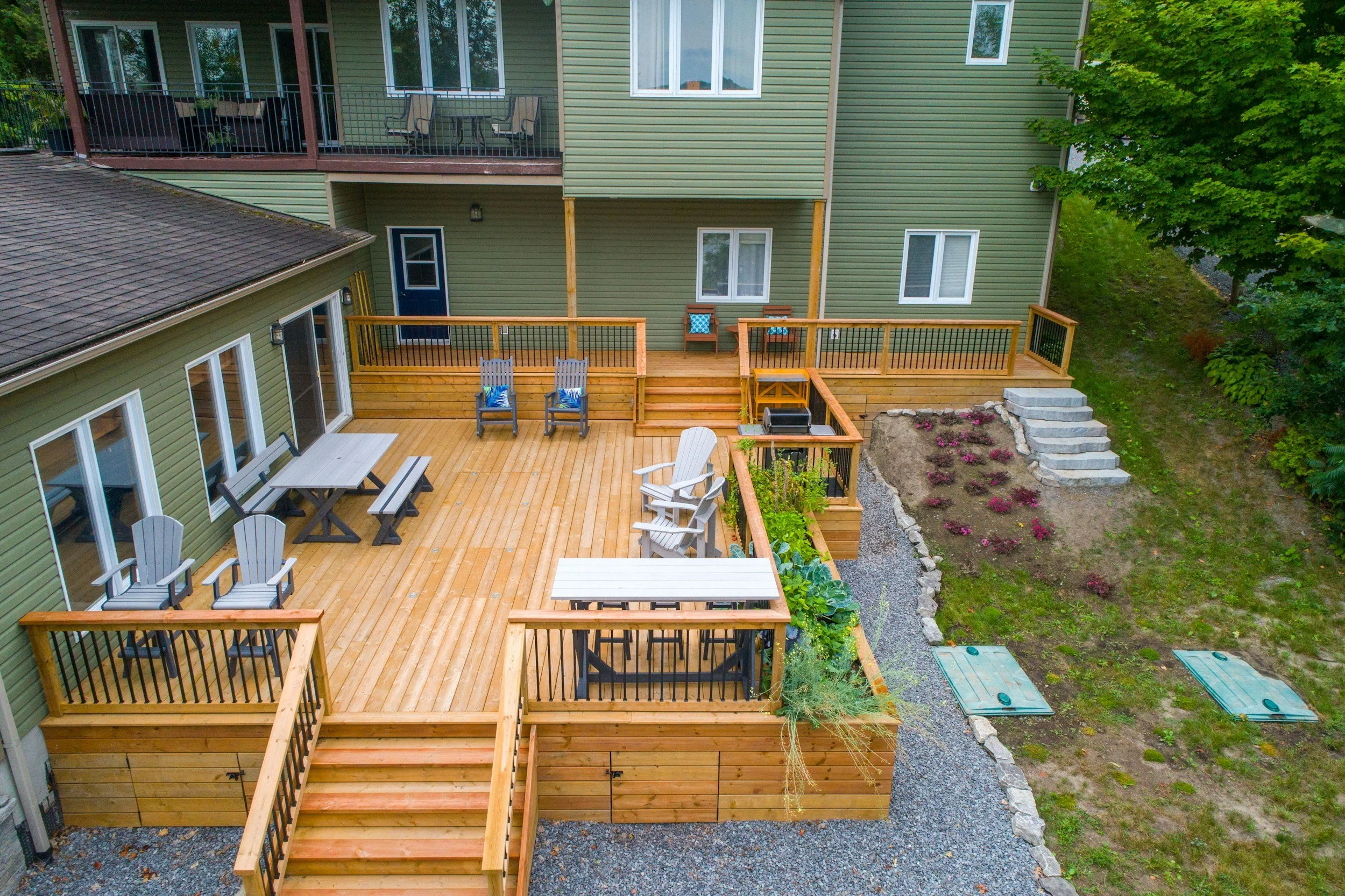
A deck has to look good, feel solid, and hold up through weather, weight, and daily use.
That means deck building requires more than cutting boards and installing railings.
A better deck contractor understands structure, drainage, fasteners, flashing, code, materials, and finish details.
If you want to build better decks, focus on the parts of the project that create safety and long-term durability.
Start With Strong Footings
A deck depends on what supports it.
Poor footings can lead to settling, movement, and structural problems.
Better deck contractors understand:
soil conditions
frost depth
footing size
post placement
load paths
inspection requirements
drainage around supports
Do not treat footings as a shortcut area.
Everything above depends on them.
Get Ledger Attachment Right
The ledger is one of the most important parts of many decks.
Bad ledger work can create water damage or structural failure.
Pay close attention to:
proper fasteners
correct spacing
solid attachment
flashing
house connection details
avoiding attachment to weak surfaces
Ledger flashing is especially important.
Water behind the ledger can cause major damage over time.
Improve Framing Quality
A good deck feels solid because the frame is built well.
Focus on:
proper joist spacing
beam sizing
post alignment
blocking
stair framing
lateral bracing
hardware
straight lines
square layout
Decking boards get attention, but framing creates the structure.
Better builders take pride in the frame even though much of it gets covered.
Understand Materials
Deck materials behave differently.
Pressure-treated lumber, cedar, composite decking, PVC boards, aluminum railings, and cable railings all have different requirements.
A better deck contractor understands:
expansion and contraction
fastener requirements
spacing
ventilation
cleaning
maintenance expectations
manufacturer installation rules
The product should guide the installation method.
Take Stairs and Railings Seriously
Stairs and railings are high-risk areas.
They also affect how the deck feels every day.
Focus on:
consistent stair rise and run
secure rail posts
proper graspable handrails
code-compliant spacing
solid blocking
clean cuts
smooth transitions
A deck can look beautiful and still feel unsafe if the stairs or railings are weak.
Plan for Water
Decks live outside.
Water management matters.
Think about:
drainage
board spacing
flashing
ground contact
ventilation under the deck
end cuts
hardware corrosion
water trapped against the house
A better deck contractor builds with weather in mind from the start.
Improve Finish Details
The final look matters.
Pay attention to:
board layout
picture framing
fastener lines
fascia details
stair trim
rail alignment
miter cuts
exposed edges
cleanup
Small finish details can make the difference between average and impressive.
Final Thoughts
To become a better deck contractor, focus on both structure and finish.
Build better footings.
Flash the ledger correctly.
Frame cleanly.
Understand materials.
Install safe stairs and railings.
Plan for water.
Finish with care.
A great deck should feel solid, look clean, and last.
That comes from doing the hidden work as carefully as the visible work.
