
How Electrical Contractors Should Decide Which Leads to Pursue
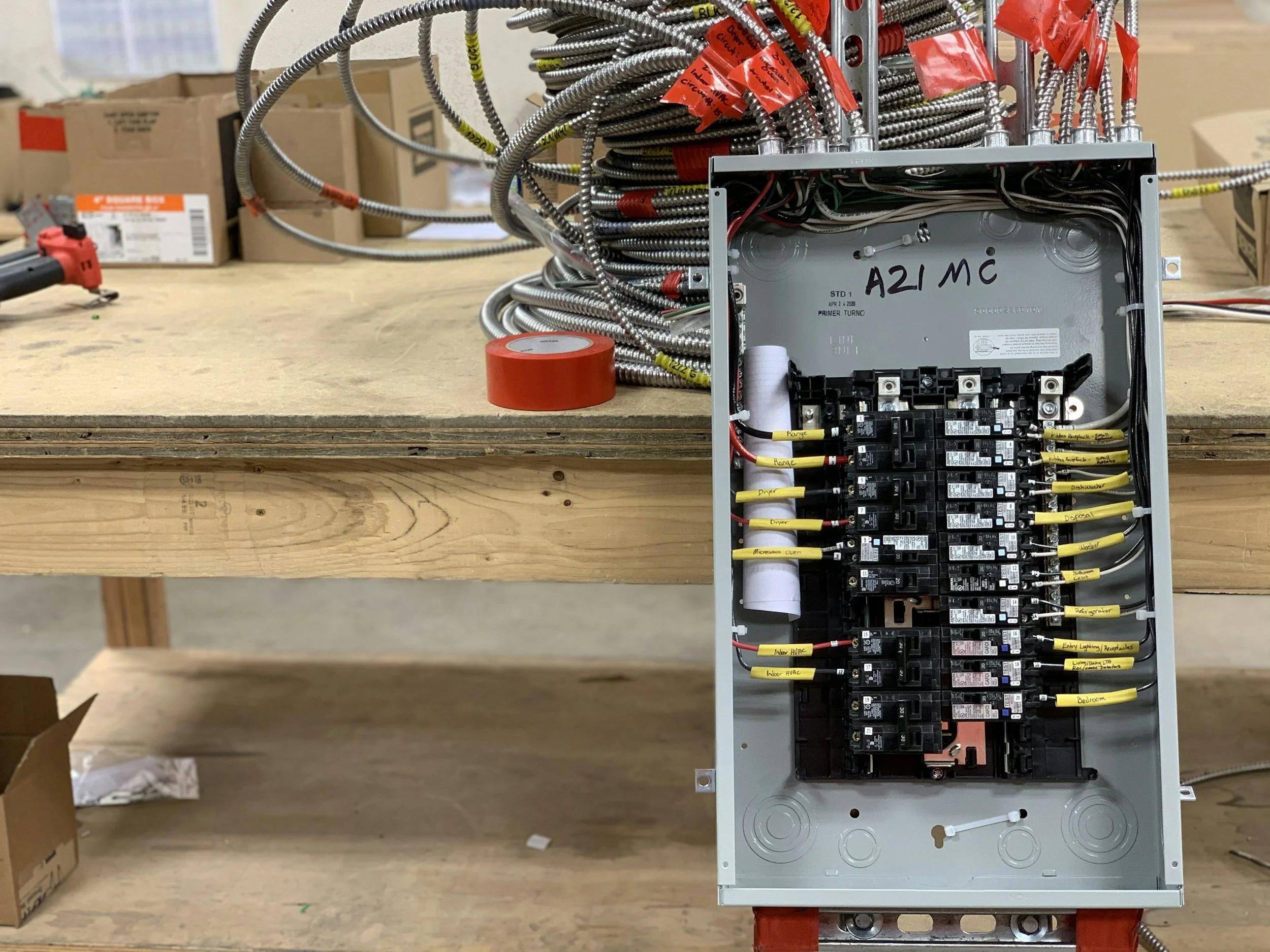
Not every electrical lead deserves the same amount of time and energy.
That does not mean you should move slowly. It means you should get better at deciding which leads are actually worth pursuing hard.
The best electricians do both.
They move quickly when a new opportunity comes in, and they qualify it early enough to avoid wasting time on jobs that are a bad fit.
That matters because electrical jobs can sound simple at first and become much more complicated once you understand the details. A lead that sounds like “just adding a few lights” can turn into panel issues, permit requirements, old wiring, troubleshooting, drywall work, or code problems that change the whole job.
If you want to get more value from the leads you claim, you need a simple way to tell which ones make sense for your business.
Start With Speed, Then Get Specific
When a lead comes in, it is still important to act quickly.
If the project sounds like it might fit, claim it and make contact fast. Waiting too long usually does not help you.
But after that first move, the next job is qualification.
A lot of electrical contractors make one of two mistakes:
they hesitate too long and miss good leads
they chase every lead equally and burn time on bad ones
The better approach is:
move quickly, then qualify quickly
That is what you want.
First, Figure Out What Kind of Electrical Job It Really Is
“Electrical job” can mean a lot of different things.
It might be:
outlet or switch replacement
lighting installation
panel upgrade
EV charger installation
troubleshooting
rewiring
fan installation
exterior lighting
generator work
code corrections
Those are not the same kind of project.
A lead can be completely legitimate and still not be right for your business. If you mainly do straightforward residential installs, a heavy troubleshooting job or service upgrade may not be worth your time. If you focus on larger jobs, a tiny switch replacement across town may not make sense financially.
Before you get too invested, make sure the lead actually matches the kind of electrical work you want.
Ask Questions That Help You Qualify Fast
You do not need a long interview.
You need a few questions that help you understand whether this is a fit.
A good starting set:
What exactly are you looking to have done?
Is this a new install, replacement, or troubleshooting issue?
Is anything currently not working?
Do you know the age of the home or panel?
Has another electrician looked at it already?
Are you hoping to get this done quickly?
Are you looking for a repair or a larger upgrade?
These questions help you understand more than just scope.
They also help you understand whether the customer is serious, realistic, and ready to move.
Make Sure the Job Matches Your Skills
A lot of electrical contractors lose money by taking jobs that technically involve electrical work, but are not the kind of work they do best.
For example:
troubleshooting can be very different from standard install work
old homes can create surprises fast
service changes may involve permits and utility coordination
generator and EV charger jobs may require a different level of confidence and planning
If the lead requires a level of troubleshooting, code knowledge, or project management that is outside your comfort zone, that is worth noticing early.
You do not need every electrical lead.
You need the right electrical leads.
Pay Close Attention to Hidden Complexity
This is where a lot of leads stop making sense.
A homeowner may describe the project like this:
“We just need a couple things installed.”
But once you ask a few more questions, it turns out the project includes:
an overloaded panel
no space for new breakers
aluminum wiring
old circuits
non-working devices
permit requirements
drywall access
attic or crawlspace work
That changes the whole job.
Electrical leads often sound smaller than they really are. The goal is to figure that out before you commit too much time or quote too loosely.
Decide If the Money Makes Sense
Not every lead is worth chasing just because it sounds technical.
You need to think about:
time on site
troubleshooting time
permit coordination
materials
travel
access difficulty
cleanup
overhead
profit
If the customer expects a bargain on a job that clearly has real complexity, that is usually a warning sign.
Listen for language like:
“It should be quick”
“It’s just a small electrical thing”
“I already got a much lower price”
“I only want the cheapest option”
“Can you just tell me the price without looking at it?”
Sometimes those leads still work out.
A lot of the time, they do not.
The goal is not to judge the customer. The goal is to decide whether the project is likely to be worth your time.
Think About Risk, Not Just Revenue
This is a big one in electrical work.
A lead might sound like decent money, but still be the wrong job if the risk, access, uncertainty, or time burden is too high for what it will pay.
Ask yourself:
Is the scope clear enough?
Am I likely to discover more once I get there?
Will this tie up time that is better spent on cleaner jobs?
Does this fit the kind of work we do efficiently?
Is the likely profit worth the effort and risk?
A job can be real, and even fairly priced, and still not be a smart use of your calendar.
Make Sure the Customer Feels Like a Fit Too
Sometimes the lead is not bad because of the project.
Sometimes it is bad because of the customer fit.
Watch for early signs like:
changing the scope every time they explain it
wanting a hard price before giving enough detail
unrealistic timelines
assuming every job is simple
heavy focus on the absolute lowest number
A difficult customer can turn a decent electrical job into a frustrating one very quickly.
That does not mean every demanding person is a bad lead.
It just means customer fit matters too.
A Simple Electrical Lead Filter
If you want a fast way to think about it, use this:
Is this the kind of electrical work we do well?
Is the scope clear enough?
Does the money likely make sense?
Does the timing fit our schedule?
Does the customer sound serious and reasonable?
If you cannot get to yes on most of those, be careful.
A lead does not need to be perfect.
It does need to make sense.
Final Thoughts
The goal is not to hesitate on every electrical lead.
The goal is to move fast, then make smart decisions.
Good electrical contractors do not win by chasing everything. They win by recognizing which opportunities fit their skills, their pricing, and their schedule, then pursuing those with speed and confidence.
Claim leads quickly.
Then get clear on whether the job is actually worth pursuing.
That is how you protect your time and build a healthier pipeline.
